
Faith-Based Goal Setting and Life Planning: Creating a Purposeful Future with Faith and Intention
- Miya Sanchez

- Jun 9
- 7 min read
Updated: Jun 24
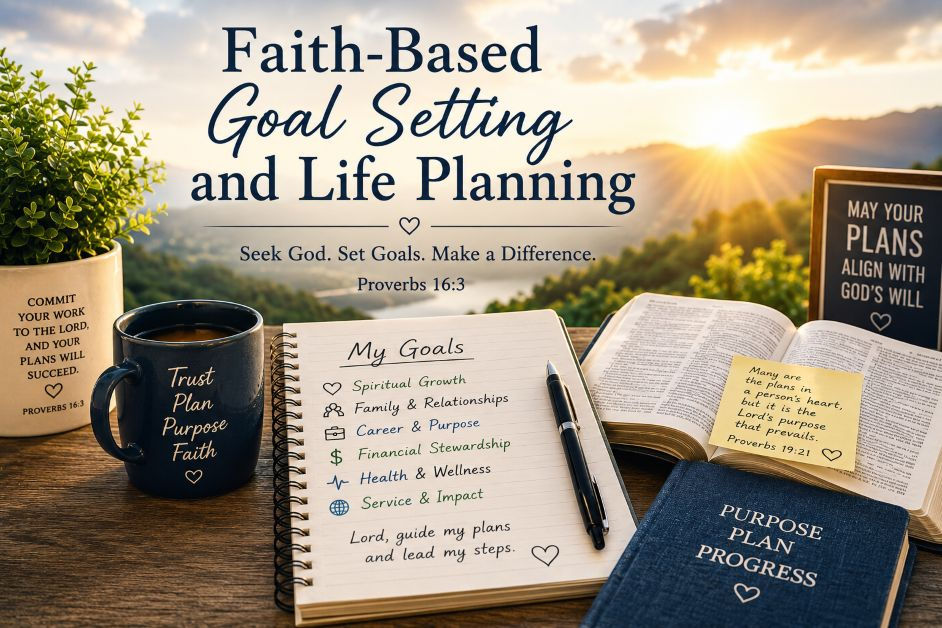
Every year, millions of people set goals with great enthusiasm. They create vision boards, write ambitious plans, and commit to improving various aspects of their lives. Yet many find themselves feeling discouraged a few months later when motivation fades, obstacles arise, or life takes an unexpected turn.
The problem is not necessarily the goals themselves. Often, the issue is that goals are built on achievement rather than purpose. When goals lack a deeper foundation, they can feel empty, stressful, or disconnected from what truly matters.
This is where Faith-Based Goal Setting and Life Planning becomes transformative. Instead of focusing solely on success, productivity, or personal ambition, faith-based planning encourages individuals to align their dreams, decisions, and future plans with their values, beliefs, and God-given purpose.
By embracing faith-centered goals, people can create a life that reflects meaning, direction, and spiritual fulfillment. Rather than chasing temporary accomplishments, they pursue goals that contribute to lasting growth, stronger relationships, personal development, and a deeper sense of purpose.
What Is Faith-Based Goal Setting and Life Planning?
Faith-Based Goal Setting and Life Planning is the process of creating goals and long-term plans that align with your spiritual values, personal mission, and sense of purpose. It combines practical planning with faith, helping individuals make decisions that support both personal growth and spiritual growth.
Unlike traditional goal setting, which often focuses exclusively on measurable achievements, faith-based planning considers broader questions:
What kind of person do I want to become?
How can I serve others?
What values guide my decisions?
How can I use my gifts and talents wisely?
What purpose does my life fulfill?
This approach encourages purposeful living by connecting daily actions with long-term meaning.
Many people spend years climbing ladders only to discover they were leaning against the wrong wall. Biblical planning and faith-centered life planning help ensure that our goals align with what truly matters.
Why Goals Alone Are Not Enough
Goals are valuable, but goals without purpose can lead to frustration.
Goals Provide Direction
Goals help us focus our energy and resources. They give us something to work toward and help measure progress.
Examples include:
Improving health
Advancing a career
Saving money
Learning new skills
Strengthening relationships
These objectives provide direction but may not provide lasting fulfillment on their own.
Vision Creates Meaning
A vision is broader than a goal. It reflects the kind of life you want to build and the legacy you hope to leave behind.
For example:
A goal may be to earn a promotion.
A vision may be to use your leadership skills to positively impact others.
This larger perspective supports life purpose and creates deeper motivation.
Purpose Sustains Motivation
When obstacles arise, purpose helps people continue moving forward.
Those who embrace purpose-driven goals often experience greater resilience because their efforts are connected to something meaningful.
Faith Brings Peace During Uncertainty
Life rarely unfolds exactly as planned. Unexpected challenges, setbacks, and delays are inevitable.
Faith reminds us that while we can make plans, we do not have to control every outcome. This perspective reduces anxiety and supports planning your future with faith rather than fear.
The Foundation of Faith-Based Life Planning
Before setting goals, it is important to establish a strong foundation.
Start with Reflection and Prayer
Meaningful planning begins with self-awareness.
Take time to reflect on:
Your values
Your strengths
Your passions
Your relationships
Your priorities
Reflection creates clarity and helps ensure your goals align with your deeper purpose.
Clarify Your Core Values
Values act as a compass for decision-making.
Common values include:
Faith
Integrity
Compassion
Family
Service
Growth
Gratitude
Your goals should support these values rather than compete with them.
Identify Your Strengths
Every person has unique talents and abilities.
Understanding your strengths helps you pursue opportunities that align with your natural gifts and support faith and personal development.
Create a Personal Mission Statement
A personal mission statement serves as a guiding principle for your life.
For example:
"My mission is to inspire hope, encourage growth, and positively impact others through compassion and service."
A clear mission helps guide future decisions and strengthens Christian life planning.
A Step-by-Step Framework for Faith-Based Goal Setting and Life Planning
Creating a meaningful life plan requires more than simply writing a list of goals.
Step 1: Create a Vision for Your Future
Imagine where you would like to be in one year, five years, or even ten years.
Consider:
Relationships
Health
Career
Spiritual growth
Service opportunities
Personal fulfillment
This process supports life vision planning and helps create long-term direction.
Step 2: Set Goals That Align with Your Values
Not every opportunity deserves your attention.
Before pursuing a goal, ask:
Does this align with my values?
Will this contribute to my growth?
Does this support my purpose?
Aligning goals with values creates stronger commitment and satisfaction.
Step 3: Divide Goals into Life Categories
Balanced planning requires attention to multiple areas of life.
Spiritual Goals
Examples:
Daily reflection
Consistent prayer
Studying inspirational materials
Deepening spiritual understanding
These support spiritual growth goals and overall well-being.
Family and Relationship Goals
Examples:
More quality time with loved ones
Improved communication
Stronger friendships
Meaningful family traditions
Career Goals
Examples:
Professional development
Leadership skills
Career advancement
Skill building
Financial Goals
Examples:
Budgeting
Saving
Responsible stewardship
Debt reduction
Health Goals
Examples:
Exercise routines
Better nutrition
Improved sleep
Stress management
Service Goals
Examples:
Volunteering
Mentoring
Community involvement
Supporting charitable causes
This balanced approach strengthens goal setting with God by ensuring every area of life receives attention.
Step 4: Create an Action Plan
Large goals become achievable when broken into smaller steps.
For each goal:
Define specific actions
Set realistic timelines
Track progress regularly
Small consistent actions often produce the greatest results.
Step 5: Review and Adjust
Life changes. Circumstances evolve.
Successful creating a life plan involves flexibility and regular evaluation.
Monthly and quarterly reviews help maintain focus and identify necessary adjustments.
Examples of Faith-Based Goals in Different Areas of Life
Practical examples make planning easier.
Spiritual Growth Goals
Examples include:
Reading inspirational books monthly
Practicing daily gratitude
Developing a reflection habit
Strengthening spiritual awareness
These goals support an ongoing spiritual growth journey.
Relationship Goals
Examples include:
Spending intentional time with family
Improving communication
Practicing forgiveness
Strengthening friendships
Career Goals
Examples include:
Completing certifications
Developing leadership skills
Seeking mentorship
Expanding professional knowledge
Financial Stewardship Goals
Examples include:
Building savings
Reducing debt
Increasing generosity
Improving budgeting habits
Health and Wellness Goals
Examples include:
Walking daily
Improving nutrition
Managing stress
Prioritizing rest
Service and Community Goals
Examples include:
Volunteering regularly
Helping neighbors
Supporting community projects
Mentoring others
How to Stay Motivated Without Becoming Overwhelmed
Many people lose momentum because they attempt too much too quickly.
Focus on Progress, Not Perfection
Perfectionism often leads to discouragement.
Celebrate small victories and recognize that growth happens gradually.
Faithfulness Matters More Than Speed
Success is not always measured by how quickly goals are achieved.
Consistent effort and steady growth often create more lasting results.
Celebrate Small Wins
Acknowledging progress builds confidence and motivation.
Every step forward deserves recognition.
Avoid Comparison
Comparing your journey to someone else's often creates unnecessary pressure.
Your path is unique.
Trust your process and focus on your own growth.
What to Do When Life Does Not Go According to Plan
One of the most important aspects of Faith-Based Goal Setting and Life Planning is learning how to respond when plans change.
Trust During Delays
Delays do not always mean failure.
Sometimes growth occurs during the waiting season.
Learn from Unexpected Detours
Unexpected changes often provide valuable lessons and opportunities for growth.
Challenges can strengthen resilience and reveal new possibilities.
Adjust Goals with Grace
Flexibility is essential.
When circumstances shift, adapt rather than abandon your vision.
Find Purpose in Every Season
Each season of life offers unique opportunities for learning, growth, and contribution.
Maintaining perspective helps preserve hope and motivation.
A Simple Annual Life Planning Routine
An annual review helps maintain alignment and focus.
Reflect on the Past Year
Ask:
What worked well?
What lessons did I learn?
What challenges helped me grow?
Evaluate Growth
Review progress in:
Relationships
Health
Career
Spiritual development
Service
Create New Priorities
Choose goals that reflect your current values and circumstances.
Schedule Quarterly Reviews
Regular reviews help ensure continued progress and alignment.
This approach strengthens long-term goal planning and supports intentional living.
Reflection Questions for Faith-Based Planning
Use these questions to guide your planning process:
What matters most to me?
What values shape my decisions?
How can I positively impact others?
Which goals align with my purpose?
What kind of legacy do I want to leave?
Where am I experiencing growth?
What changes would bring greater fulfillment?
Thoughtful reflection encourages clarity and direction.
Building a Life of Purpose, Hope, and Intention
The most meaningful plans are built on purpose rather than pressure.
A life guided by purpose creates:
Greater fulfillment
Stronger relationships
Increased resilience
Deeper gratitude
Lasting impact
Rather than constantly chasing success, people who embrace faith-centered goals focus on becoming the best version of themselves and contributing positively to the lives of others.
This mindset encourages finding your purpose, embracing growth, and living with intention every day.
Final Thoughts on Faith-Based Goal Setting and Life Planning
Faith-Based Goal Setting and Life Planning is about more than achieving goals. It is about creating a life aligned with purpose, values, and meaningful growth.
When people embrace Christian goal setting, pursue purposeful living, and commit to goal setting with God, they often experience greater clarity, confidence, and fulfillment.
Remember:
Purpose is more important than achievement.
Vision is more important than busyness.
Growth is more important than perfection.
Faith is stronger than fear.
As you begin your own journey of creating a life plan, focus on taking one meaningful step at a time. Small actions, guided by purpose and intention, can lead to extraordinary transformation.
Call to Action
What goals are you currently working toward, and how do they align with your values and purpose?
Share your thoughts in the comments below. If this article inspired you, consider sharing it with someone who is seeking direction, encouragement, or a more intentional approach to planning their future.
Start today. Reflect, plan, and take the first step toward a life filled with purpose, growth, and meaning.

Comments